
The mango tree needs water, but also time
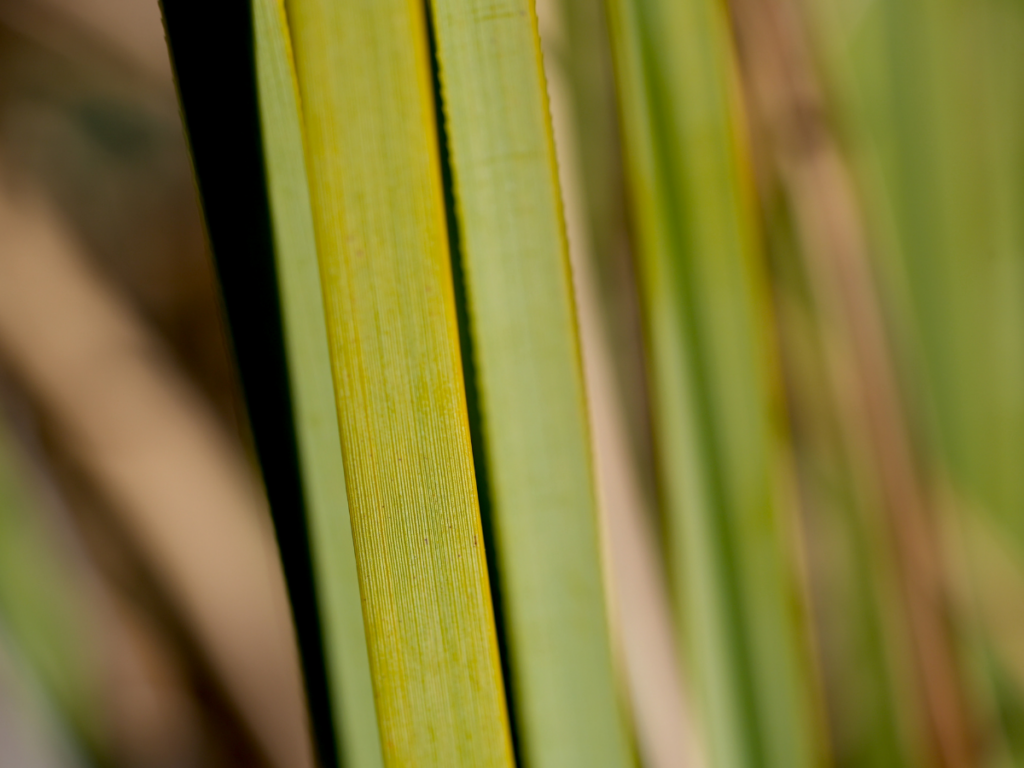
The moss forms tall and dense mats, with long leaves and sharp edges, on the banks that remain wet for much of the year. In the Ballesteros Lakes it was one of the characteristic plants of the landscape, although today its formations take up less space and in some places they have been enclosed between cork oaks.
Its scientific name is Cladium mariscus and the communities it forms are included in a priority habitat of the European Union. The marsh reeds provide shelter and breeding areas for numerous animals, retain sediment and build a transition between the water layer and the land. They are not just a band of vegetation: they are part of the structure of the wetland.
The vegetation report by Ballesteros describes ancient meadow belts around several lagoons and points out that the change in water regime has favored the expansion of meadow grass in some sectors. Meadow grass is not, by itself, a species alien to the system. The problem arises when the shorter duration of the flood breaks the balance and a more uniform community replaces the variety of strips that previously occupied the banks.
Therefore, restoring the marshland does not consist solely of planting specimens. First, it is necessary to reduce water extraction, close the drainage channels and return each basin to a suitable flood duration. When these conditions begin to recover, LIFE Ballesteros plans to produce and plant around 230,000 specimens of marshland in about thirteen hectares, as part of a broader program of restoration of native vegetation.
Success will not be measured on the day of planting, but rather over the course of the seasons: survival, the expansion of the stands, and their relationship with the water level and other species will need to be monitored. The marsh mussel needs water, but it also needs continuity. Restoring its habitat means giving it time to re-form a living shoreline.
 Spanish
 English
 French
 German
 Italian
 Portuguese