
Karst on gypsum · Basin
A karst landscape, unique in Europe.
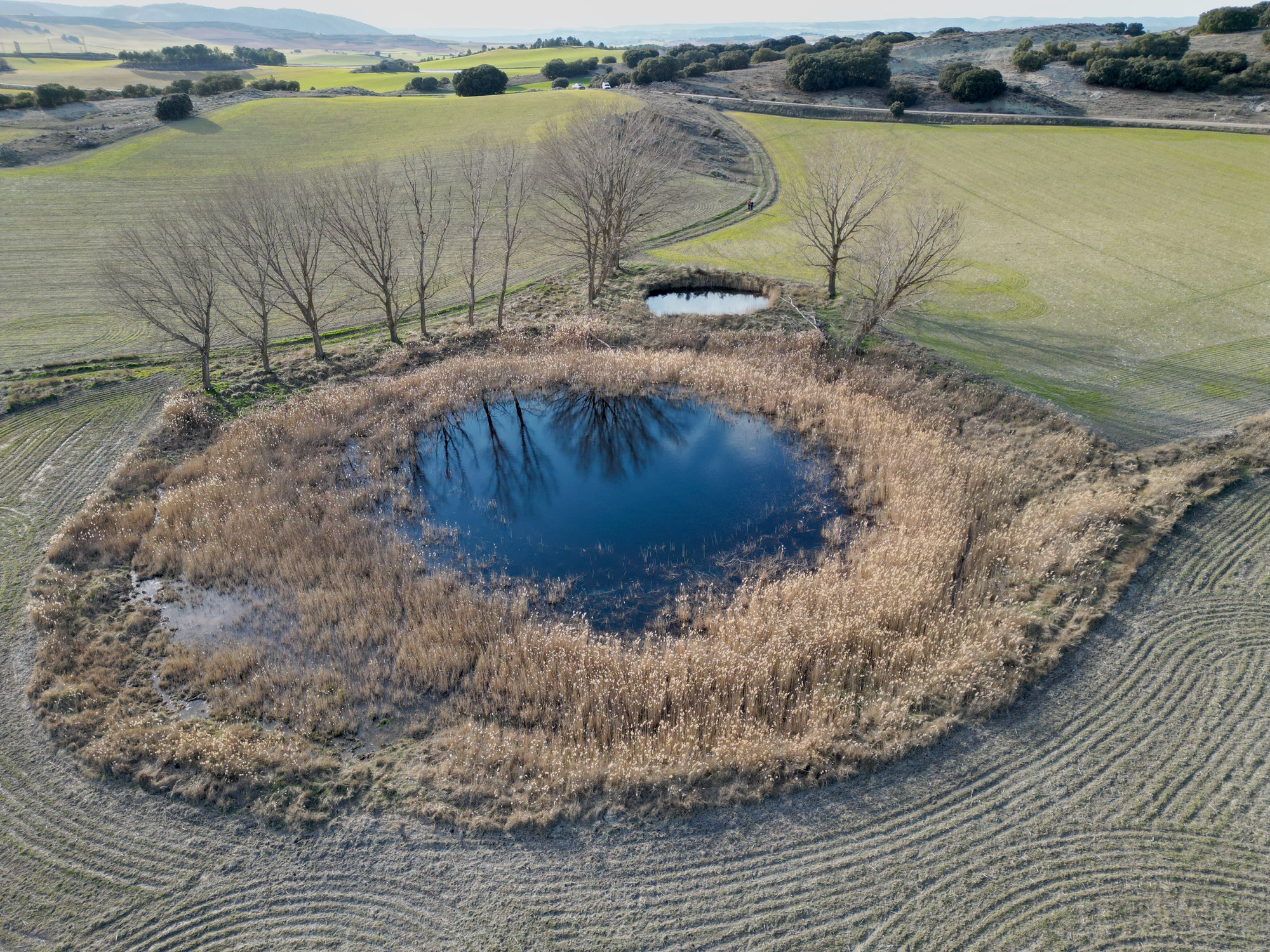
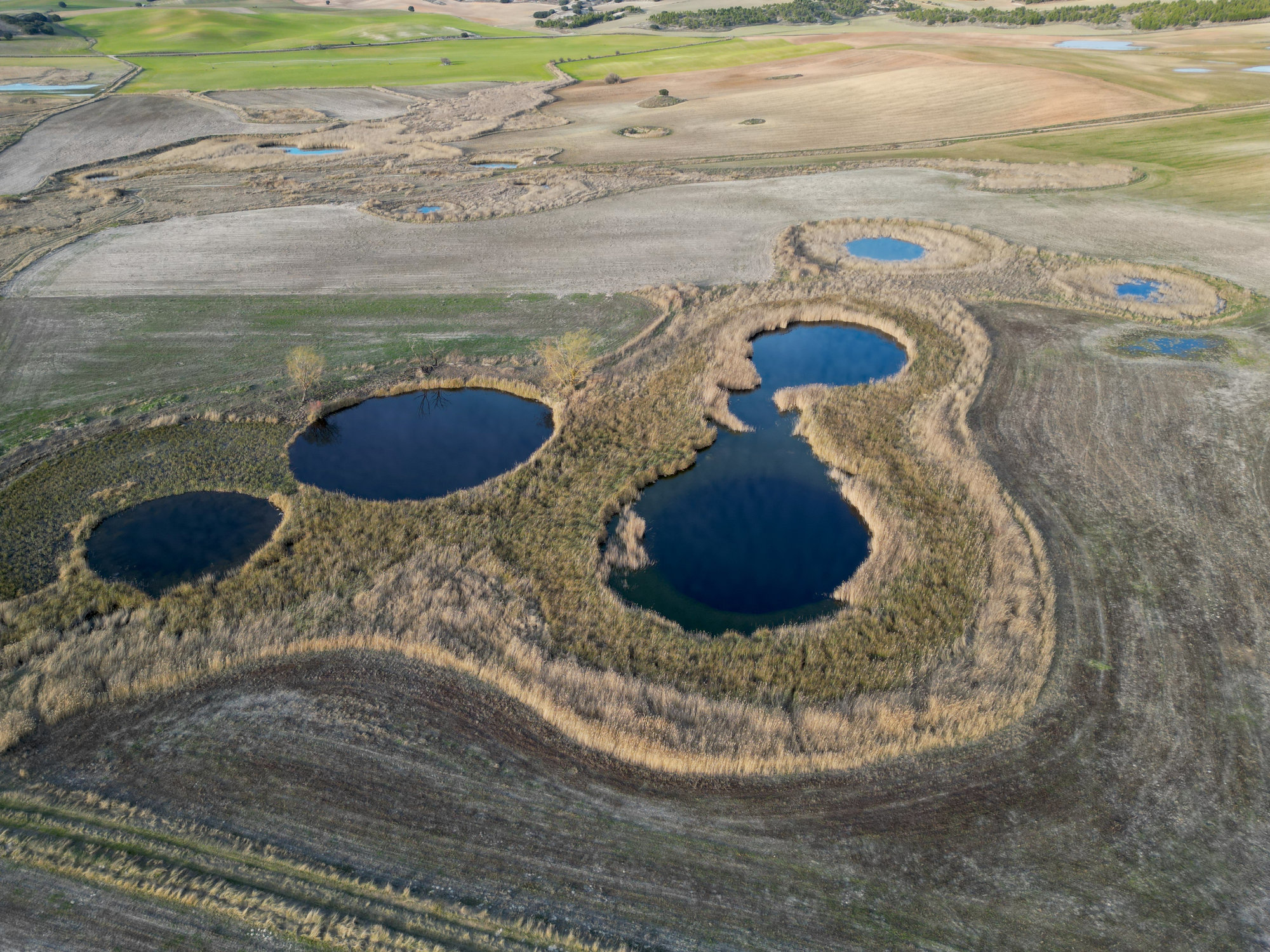
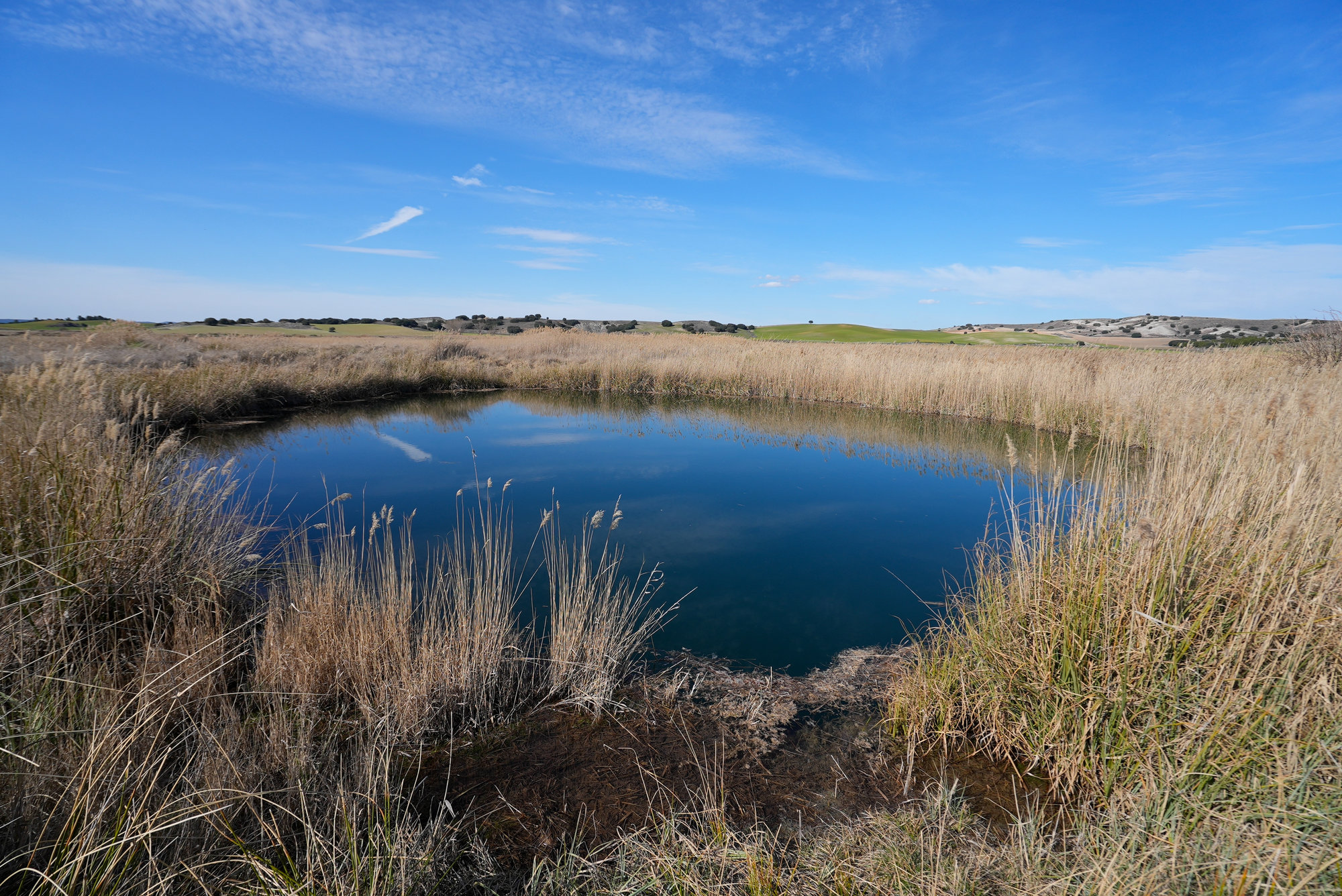
The Ballesteros Lagoon Complex in Cuenca is a karst wetland formed by more than 30 lagoons and dolines on limestone. It is located just 20 minutes from the city, between the municipalities of Arcas, Valdetórtola and Villar de Olalla.
Practical information
Everything What you need to know.
Dates
From November 9 to 13, 2026
Hours
From 16:30 to 20:30
Duration
20 hours (five afternoons)
Place
Casa de la Cultura de Villar de Olalla, Santiago Valverde auditorium. Calle Jesús de Nazareno, 2. Villar de Olalla (Cuenca)
Teachers
Patricia Olivares (Global Nature Foundation) and Joaquín Cuadro (Community Councils of Castilla-La Mancha)
Directed at
Farmers and ranchers
Price
Free, with limited seats
Certificate
De horas, broadcast by the Junta de Comunidades of Castilla-La Mancha
Karst geology
This is how a karst lagoon.
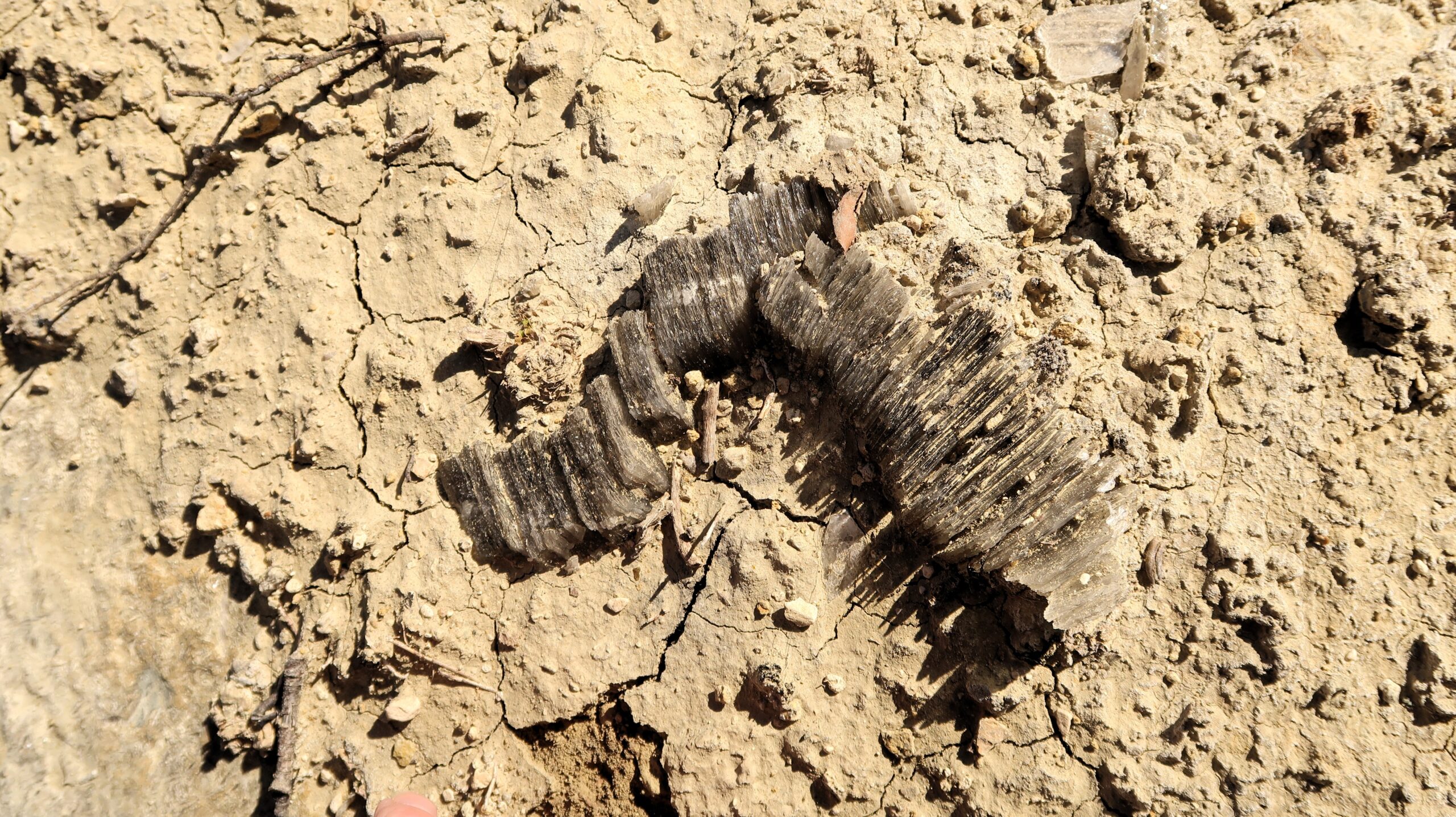
The Ballesteros Lagoons are collapse dolines: circular depressions that form when water dissolves the gypsum in the subsoil and the ground collapses. Gypsum is up to 100 times more soluble than limestone, which is why what takes millennia elsewhere happens here in decades.
Some sinkholes reach 190 m in diameter and 14 m in depth. When several merge, they form a uvala, a larger, irregular depression.
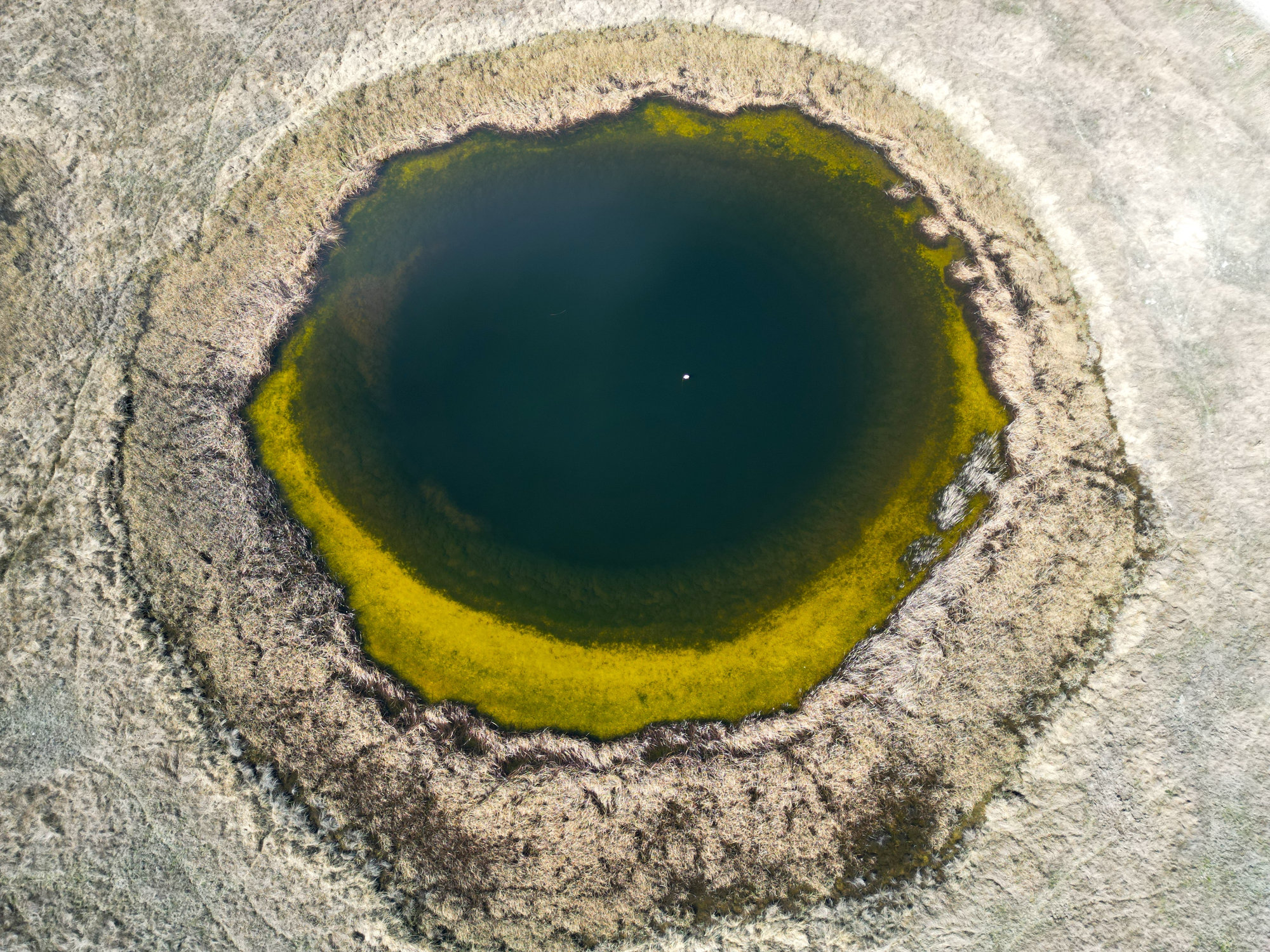
Sinkholes in gypsum
Depressions of great rarity in Europe. Up to 190 m in diameter and 14 m in depth. Geological processes that are still active today.
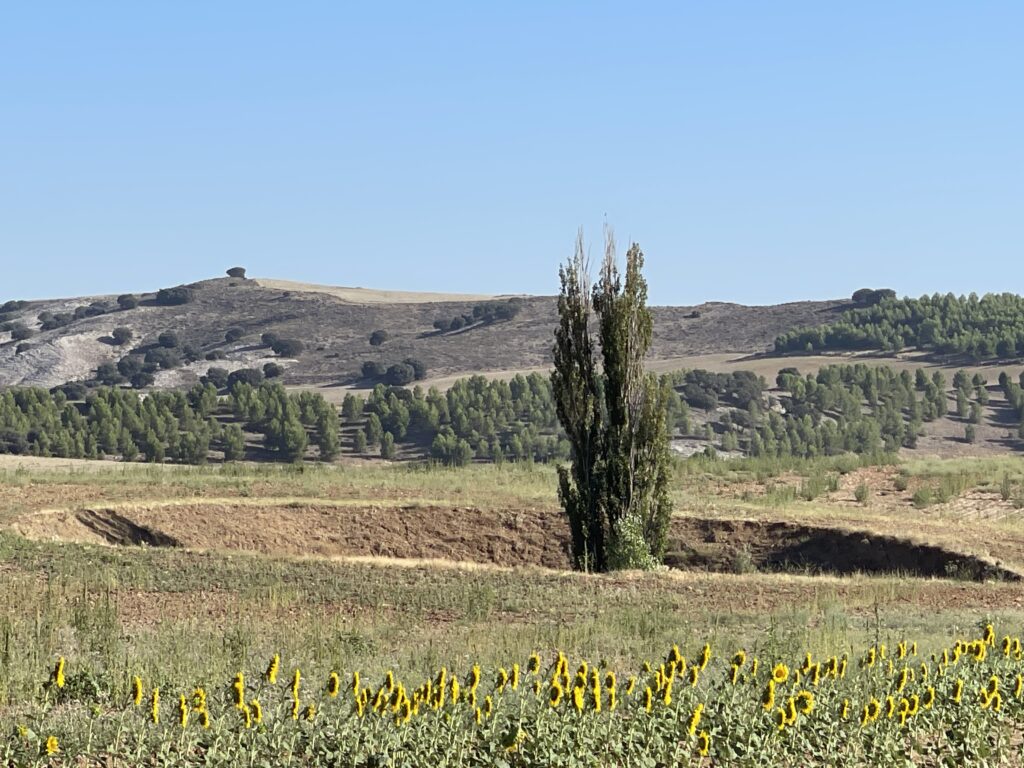
Two worlds in one
Permanent lagoons (connected to the aquifer) and temporary lagoons (dependent on rain and runoff). Permanent lagoons have water year-round. Temporary lagoons dry up in summer.
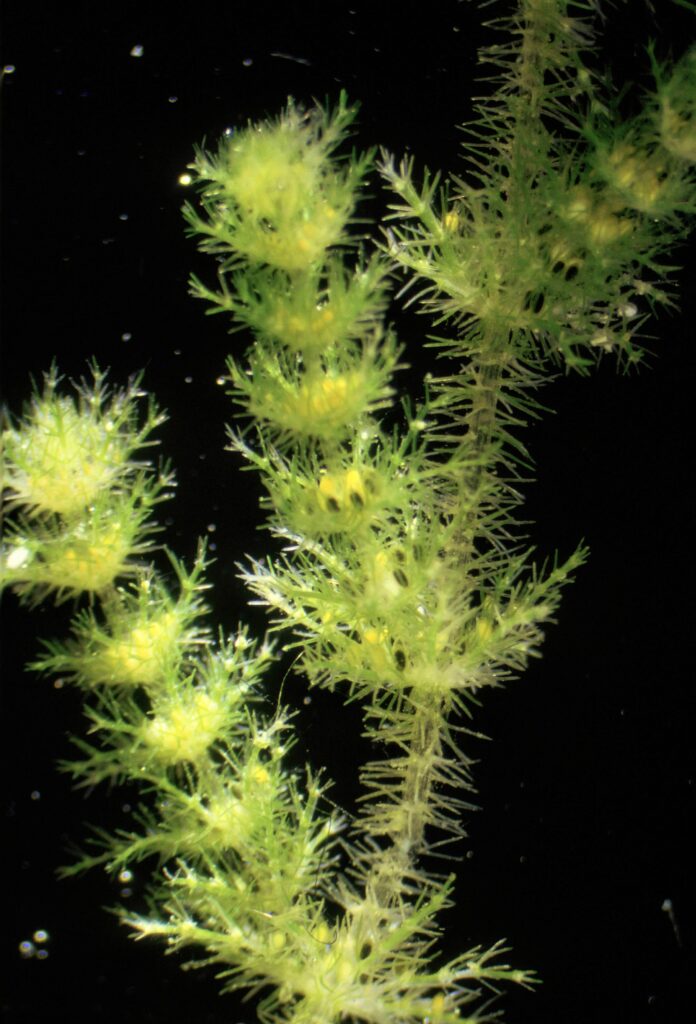
The Invisible Prairies
Charophytes form underwater meadows on the bottom of lagoons. 9 species documented: the most diverse community in the Iberian Peninsula.
Singular phenomenon
A laboratory underwater. .
At the bottom of the deepest lagoons, the water lacks oxygen. Unique microorganisms use sulfur to survive, recreating conditions of the primitive Earth. Sometimes they surface and stain the water red, a very rare phenomenon in Spain.
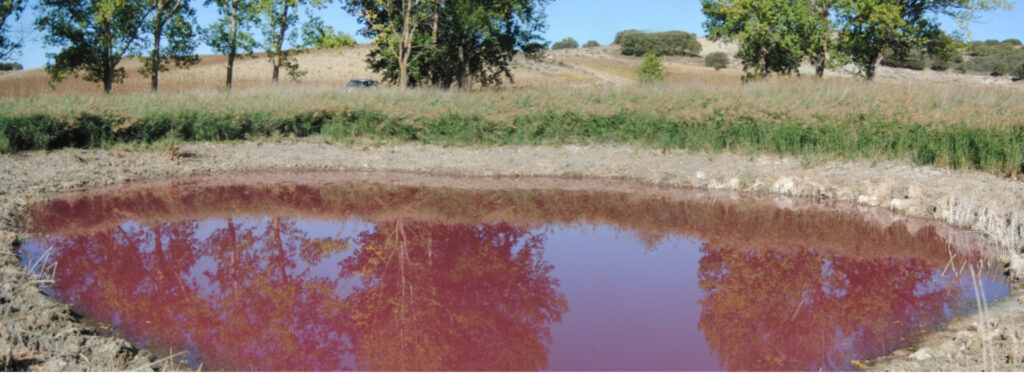
European protection · Natura 2000 network
Protected space by the European Union.
The Ballesteros Lagoons are a Special Area of Conservation (SAC) with three priority habitats for the EU. Protecting them is a European priority.
Gallery
 Spanish
 English
 French
 German
 Italian
 Portuguese