Opens in a new tab
LIFE Ballesteros Project

Recover Water, habitats, and territory

About the project

Restoration of a unique karst in Europe.

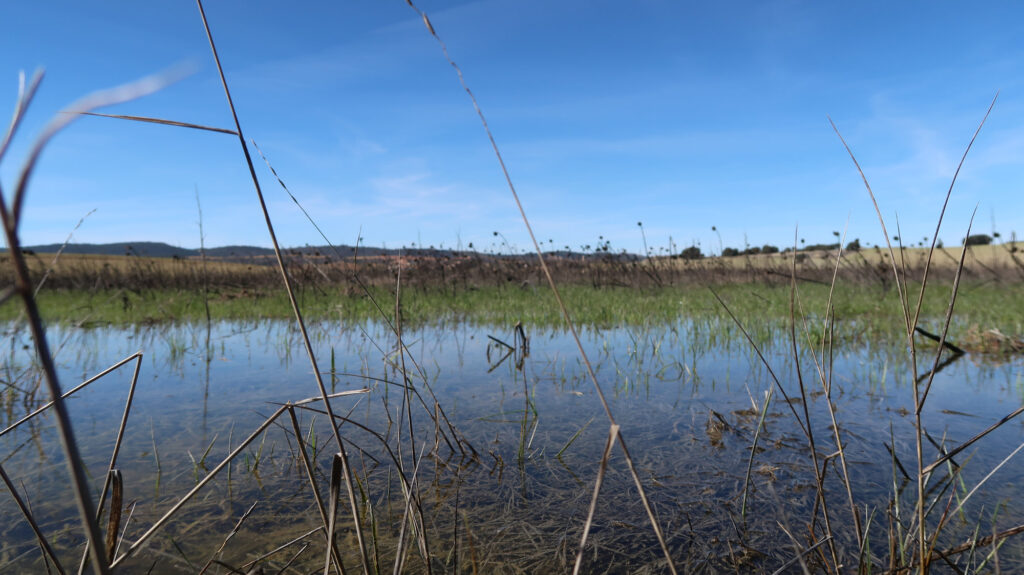
LIFE Ballesteros is a European project for the comprehensive restoration of the Ballesteros Lagoons, in the Moscas River Valley (Red Natura 2000). This is an active karst system on gypsum with more than 30 circular lagoons, one of the few of its kind in Europe. The LIFE Programme is the EU’s main funding instrument for the environment and biodiversity.

Coordinated by Fundación Global Nature and co-financed by the European Union, the Provincial Council of Cuenca, and Redeia, LIFE Ballesteros has a budget of 3.9 million euros and will run from 2026 to 2029. Its objective is to restore the hydrological functionality of the lagoon complex and expand the area of natural habitats within the protected space.
The project in numbers

Full-scale restoration

3.9M€
LIFE Project Budget
280 hectares
Restored natural habitat area
868%
Habitat increase: from 28 to 280 ha
3.5 km
From unused drains to recover the aquifer
Action 01

Return the water.

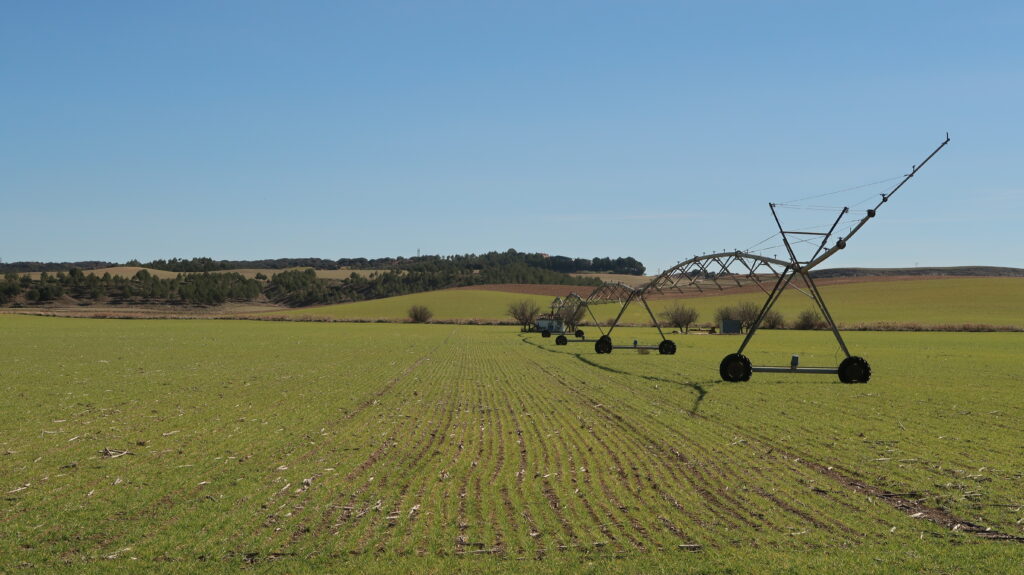
Decades of drainage and water extraction progressively dried out the karst plain. Restoring the natural water regime is the necessary condition for everything else to return.
The challenge
The aquifer level has dropped due to irrigation withdrawals and drainage. Permanent lagoons have less water, temporary ones dry up sooner, and the floodplain has disappeared.

Purchase of irrigated land

Acquisition of strategic estates to relieve agricultural pressure on the aquifer.

Removal of 3.5 km of drains

Physical dismantling of channels and ditches that drain water out of the lagoon system.

Dismantling of irrigation infrastructure

Removal of wells, pumps, and pipelines that extract water from the karst aquifer.

120–145 ha
Hectares flooded
3.5 km
Drains removed
200,000 m³
Water extraction removed per year
Action 02

Recover Life.

With water recovery, we will restore the ecological structure of the wetland: marsh vegetation, submerged meadows, and riparian forest. The process is accelerated with 250,000 native plants and continuous scientific monitoring.
The challenge
Habitat loss caused key communities in the system to disappear: peat bogs, submerged charophytes, and riverbank galleries.

250,000 native plants

Reintroduction of Cladium mariscus and other structural species of the Mediterranean wetland.

Restoration of charophytes and riparian forest

Recolonization of submerged meadows and recovery of 1 km of river gallery.

Scientific tracking

Hydrological monitoring, detailed mapping, and environmental DNA analysis to verify results.

+868%
Habitat increase
28 → 280 hectares
from natural habitats
1 kilometer
recovered riverine forest
Action 03

Work with him territory.

Restoration is only lasting if it is built with those who live in the territory. The project opens the wetland to the public, brings it into the classroom, and works with the surrounding agricultural sector to reconcile production and conservation.
The challenge
The wetland needs to be connected to the daily lives of neighboring municipalities: create orderly access, share its value, and find a balance with agricultural practices.

1.5 km interpretive trail

Accessible trail with parking and panels explaining karst, lagoons, and their biodiversity.

Educational program and traveling exhibition

5,000 participating schoolchildren and an exhibition that will tour 50 municipalities in the region.

Agricultural custody agreements

Agreements on 500 hectares to reduce chemicals and reconcile agricultural production with conservation.

Expansion of the SCI

Expansion of the Special Conservation Area by 281 hectares and update of its Management Plan.

5.000
Schoolchildren
500 hectares
Case
+28%
ZEC Expansion
How we work

A process technician
and transparent.

01
Diagnose
We are analyzing the state of the aquifer, biodiversity, and pressures on the karst system to understand what each lagoon needs.
02
Plan
We designed an action plan with technical measures, agreements with local farmers, and land management.
03
Restore
We carry out actions in the field: elimination of water extraction for irrigation, flora recovery, visitor facilities, and scientific monitoring.
Schedule

Project phases.

2026

Startup and first actions

Purchase of the first irrigated lands. Removal of 3.5 km of drainage. Dismantling of irrigation infrastructure. Project launch and media presentation.

2027

Hydrological and ecological restoration

Completion of irrigated farmland purchase. Removal of roads and restoration of original topography. First planting campaign of marsh grass. Launch of educational program and open house events.

2028

Restoration and monitoring

Second and third native vegetation planting campaign. Restoration of charophytes and recovery of riparian forest (1 km). Scientific monitoring with environmental DNA techniques. Awareness campaigns and guided tours.

2029

Consolidation and Legacy

Opening of the 1.5-kilometer interpretive trail. Educational program for 5,000 schoolchildren. Official expansion of the Special Conservation Area (ZEC) by 281 hectares. Update of the Management Plan for the protected area. Publication of the Layman’s Report (final public report). International workshop to conclude the project.


A public-private partnership

The partners who make it possible
Restoration.

Coordinate
Co-finances
Co-finances
Contributes
Contributes
Collaborate
Collaborate
Collaborate
Collaborate
Collaborate
The LIFE Ballesteros project is co-financed by the European Union's LIFE programme within the framework of biodiversity conservation and Natura 2000 network sites.