
Five Keys to Understanding the Ballesteros Lagoons
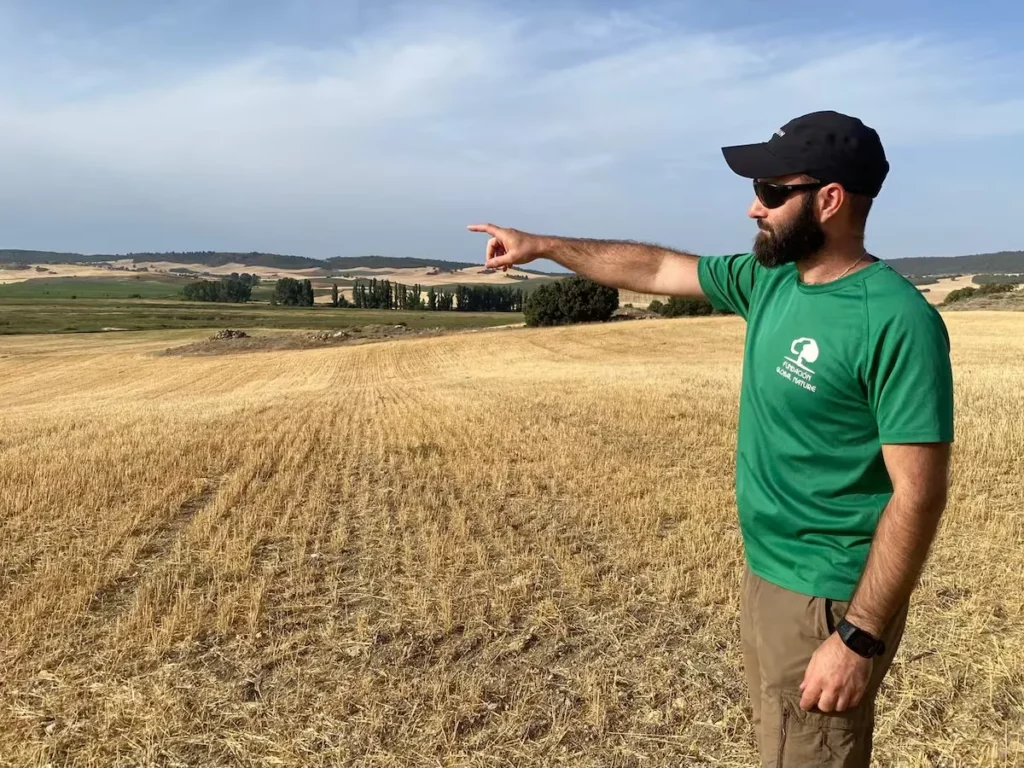
The coordinator of the LIFE project, Eduardo Palencia, visited the special of Hoy por Hoy Cuenca (Cadena SER) during the Arcas Cultural Week to introduce the Ballesteros Lagoons to those who still don't know them. We gather the essentials of the conversation.
A wetland on gypsum, not on limestone. That is what makes it unique. In the Cuenca area, we are used to the limestone landscapes of the Iberian System, like the Ciudad Encantada. Here the soil is made of Late Tertiary gypsum, and that determines everything else, from how the space was formed to what its waters are like.
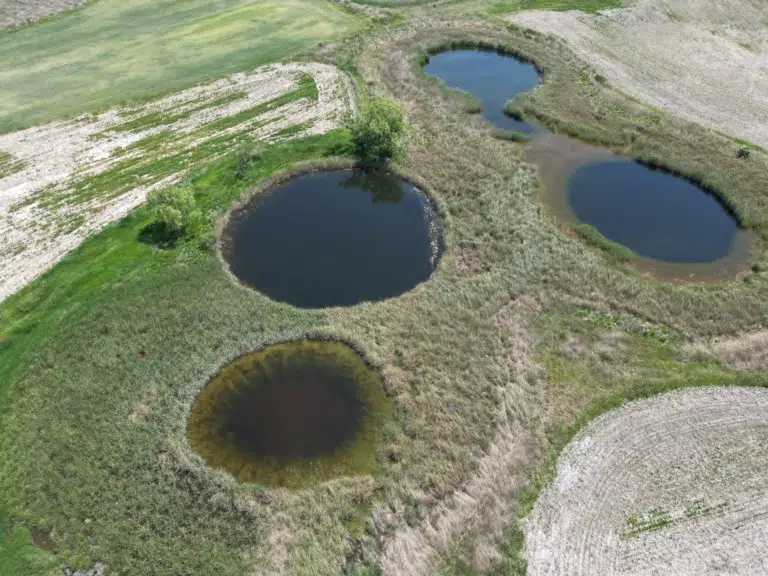
A underground «Gruyère cheese». Palencia used that image to explain how the complex works. Beneath the surface are cavities that sometimes collapse and sink the terrain. This is how more than thirty basins and depressions are formed, some with permanent water and others seasonal, depending on whether or not they connect with the aquifer.
Two threats to the same system. The wetland faces an excess of nitrogen and the runoff of plant protection products in a context of agricultural intensification, as well as the disappearance of water when it is extracted from the subsoil for irrigation. Recovering water for the system is the central challenge of the project, which will concentrate on the areas of greatest agricultural pressure, to the southeast and southwest.
Restore with the local people. The work is approached from the perspective of land stewardship and in collaboration with farmers and livestock breeders, following the precedent of LIFE El Hito. Land is already being purchased, and an agri-environmental program is being prepared that also reaches farms near the protected area. The goal for 2029 is a restored floodplain with natural pastures and populations of saw-sedge and purple moor-grass.
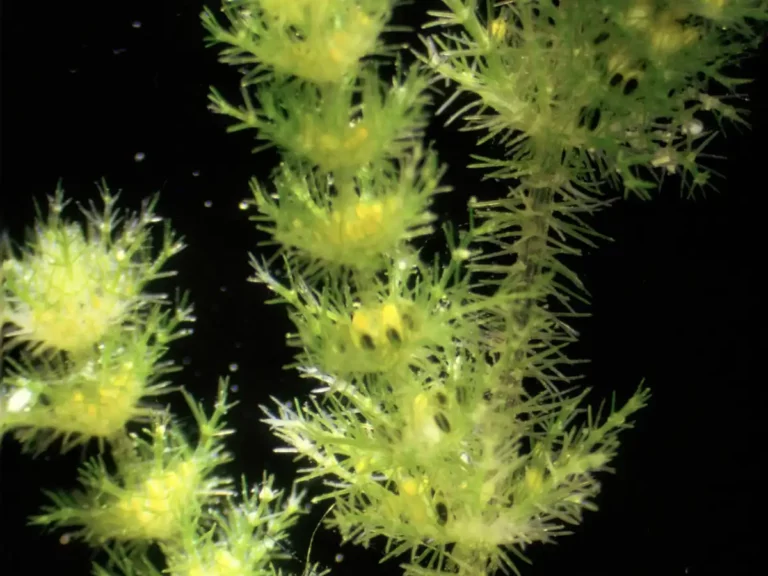
Invertebrates, the big surprise. When we think of wetlands we imagine birds, and in Ballesteros there are plenty, such as the western marsh harrier or the breeding black kite. But what truly distinguishes the complex, and has barely been studied, is its invertebrate fauna. The project will address a specific study on them that includes damselflies, which are characteristic of these lagoons located just ten minutes from Cuenca.
You can listen to the full interview on the Cadena SER website: https://cadenaser.com/castillalamancha/2026/07/16/tradiciones-naturaleza-y-futuro-asi-late-el-corazon-de-arcas-en-su-semana-cultural-ser-cuenca/
 Spanish
 English
 French
 German
 Italian
 Portuguese