
Dragonflies and damselflies: a life between water and air
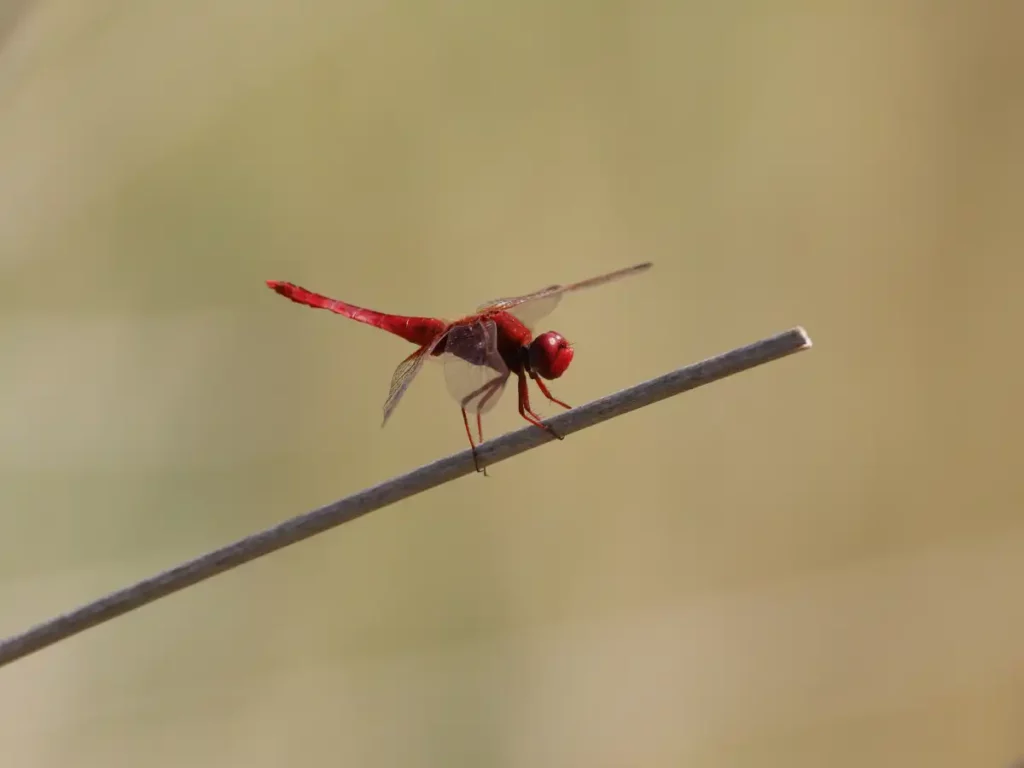
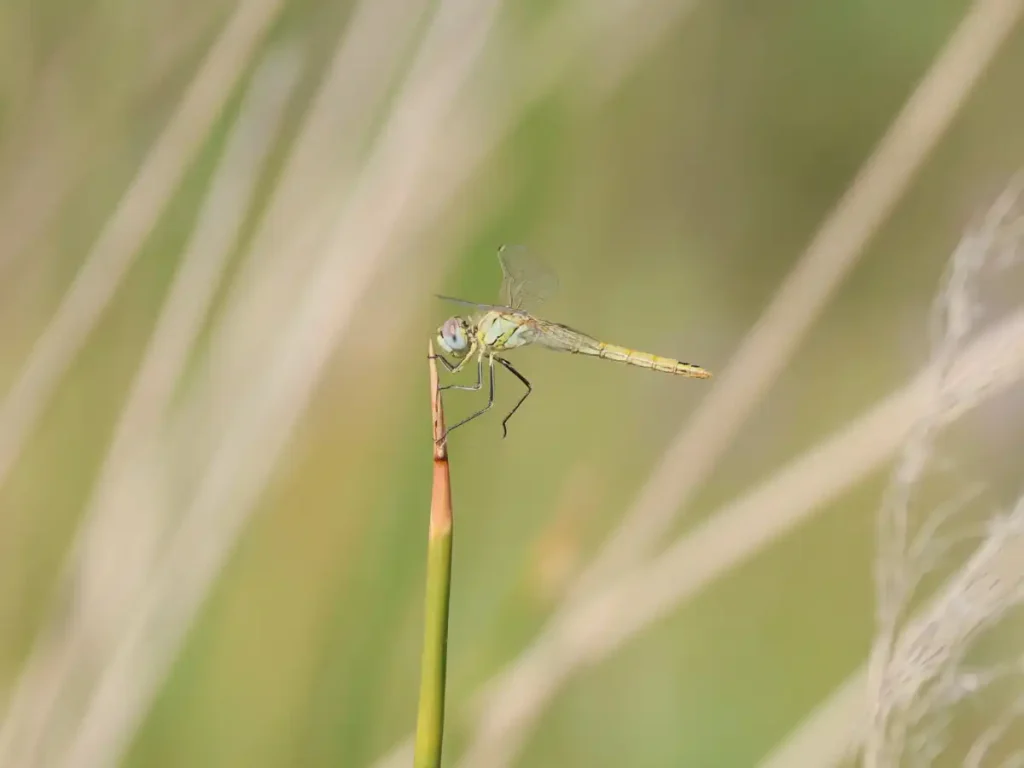
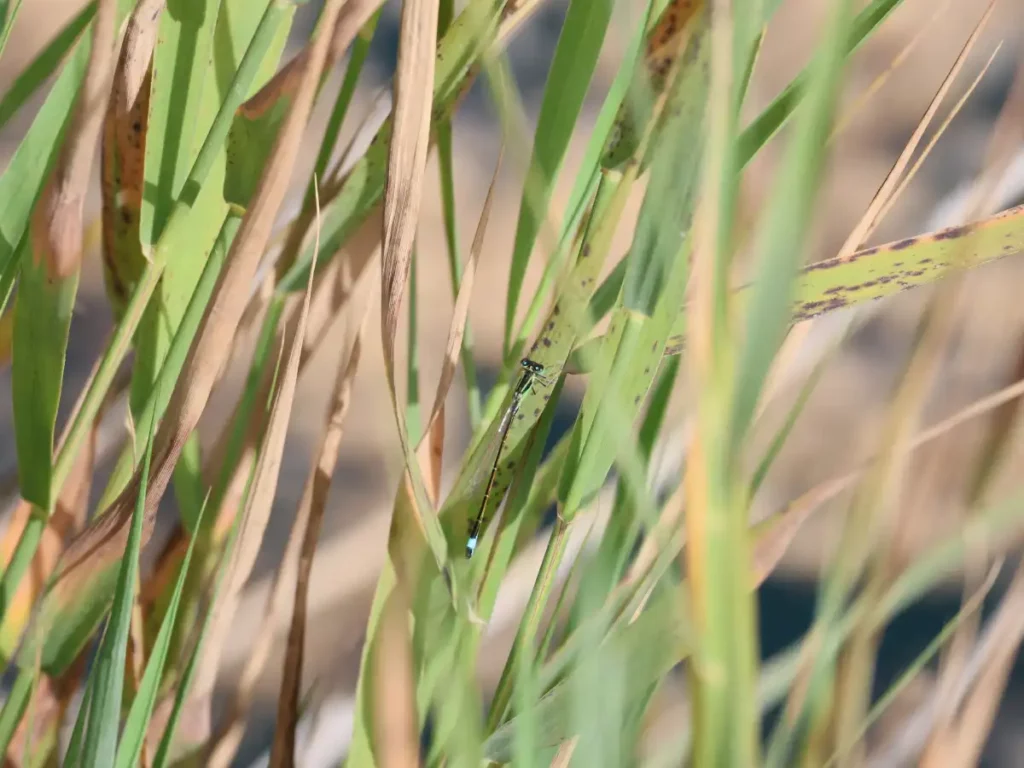
In late summer, when the light falls upon the shores, it is easy to see blue, green, or copper flashes darting through the vegetation of a pond. They are dragonflies and damselflies, two groups of insects we usually associate with flight, although the longest and least visible part of their lives takes place underwater.
A life that begins underwater
In late summer, when the light falls upon the shores, it is easy to see blue, green, or copper flashes darting through the vegetation of a pond. They are dragonflies and damselflies, two groups of insects we usually associate with flight, although the longest and least visible part of their lives takes place underwater.
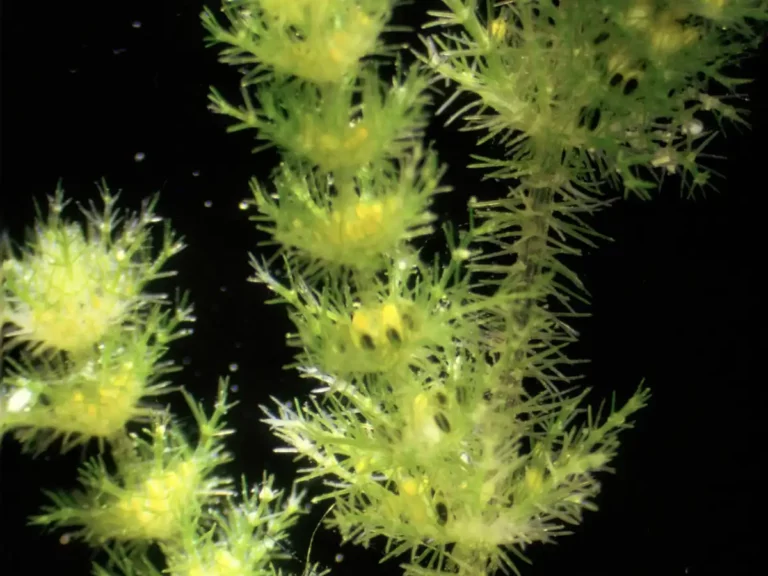
Both belong to the order Odonata. Aquatic larvae hatch from the eggs and live among the stems, sediment, and submerged plants for months or even years, depending on the species. When they complete their development, they climb up a rock or stem, leave the water, and leave behind the exuvia, an empty shell shaped like the insect. Finding one of these molts says more than watching an adult fly by: it confirms that the lagoon has allowed the aquatic phase of their cycle to be completed.
Their role in the wetland and as bioindicators
During that time they are also an active part of the wetland. The larvae hunt small aquatic animals and the adults catch mosquitoes, flies, and other insects in flight. In turn, they form part of the diet of birds, amphibians, and other predators. Their presence speaks, above all, of the relationship between the water, the shoreline vegetation, and the diversity of small species that the ecosystem sustains.
That is why they are used as bioindicators, but the idea needs a nuance. An adult dragonfly can travel a certain distance and appear over a basin where it did not breed, and not all species require the same conditions. To assess the health of a wetland, an isolated snapshot is not enough: one must study the group of species, look for larvae or exuviae, repeat the sampling, and relate the results to the duration of the flooding, the vegetation, and the water quality.
Dragonflies and damselflies in the Ballesteros Lagoons
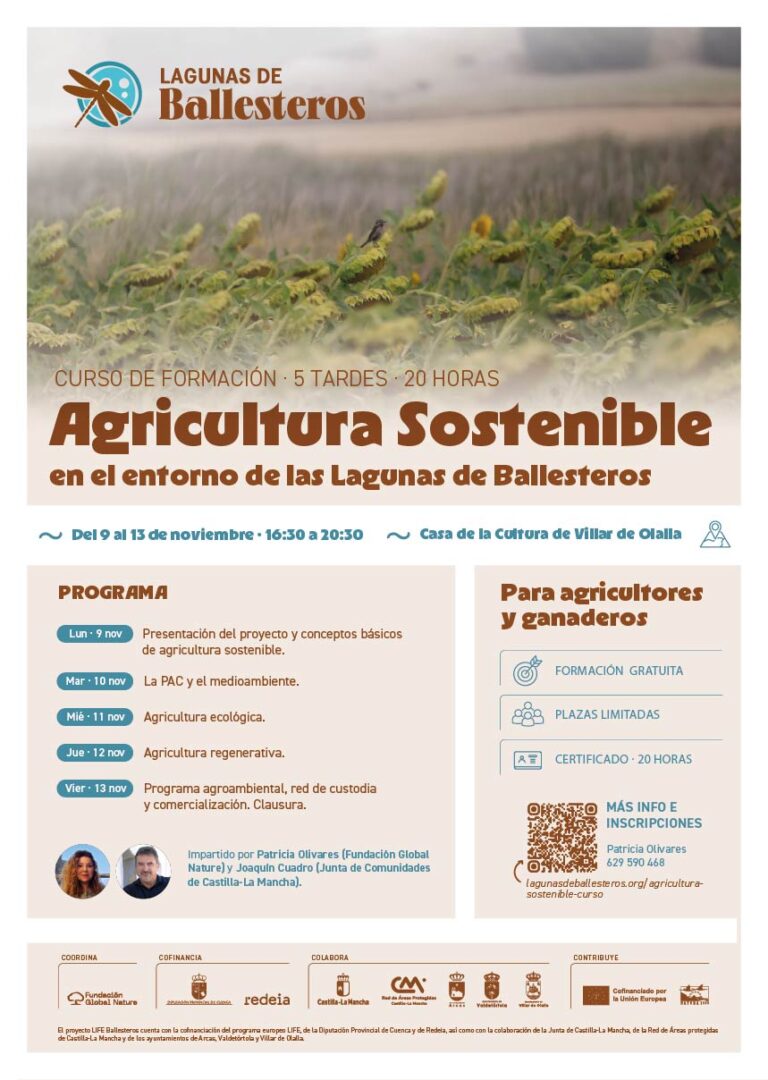
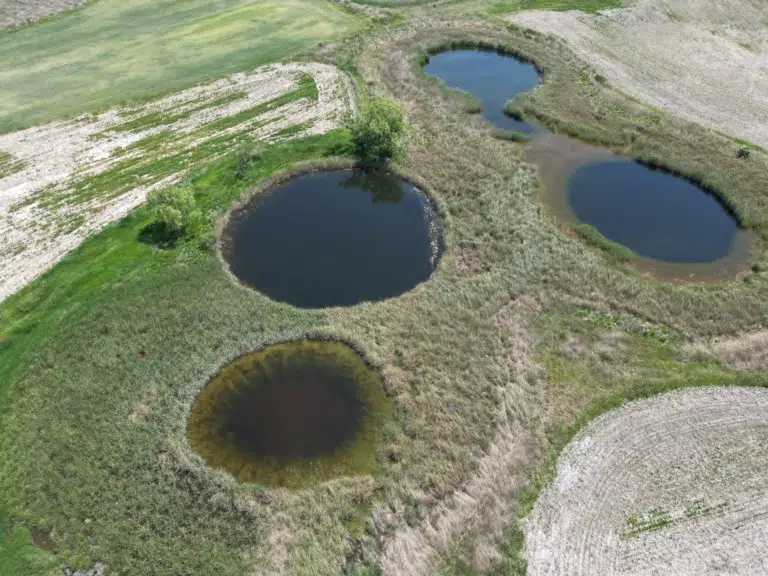
In the Ballesteros Lagoons, the invertebrate fauna is still poorly studied. LIFE Ballesteros It plans to draw up an inventory of aquatic and terrestrial arthropods, including odonates, and to train volunteers to collaborate in their monitoring. When the water and vegetation begin to recover, dragonflies will be able to help tell how the wetland is responding. The most valuable sign will not be that they fly over it, but that they return to complete their life cycle there.
 Spanish
 English
 French
 German
 Italian
 Portuguese