
The Ballesteros lagoons dry up in summer, and that is normal
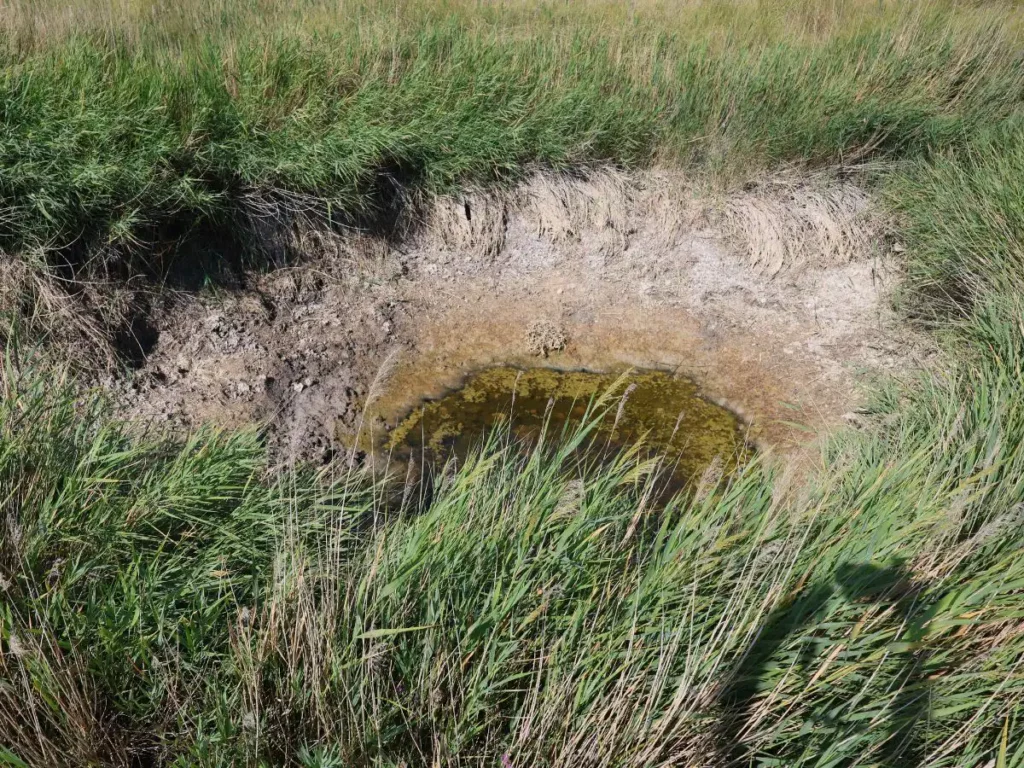
In the middle of summer, a large part of the basins of the Ballesteros Lagoons show cracked bottoms and vegetation yellowing in the sun, while others retain their sheet of water. Far from being a bad sign, that contrast is exactly what is to be expected of a wetland like this.
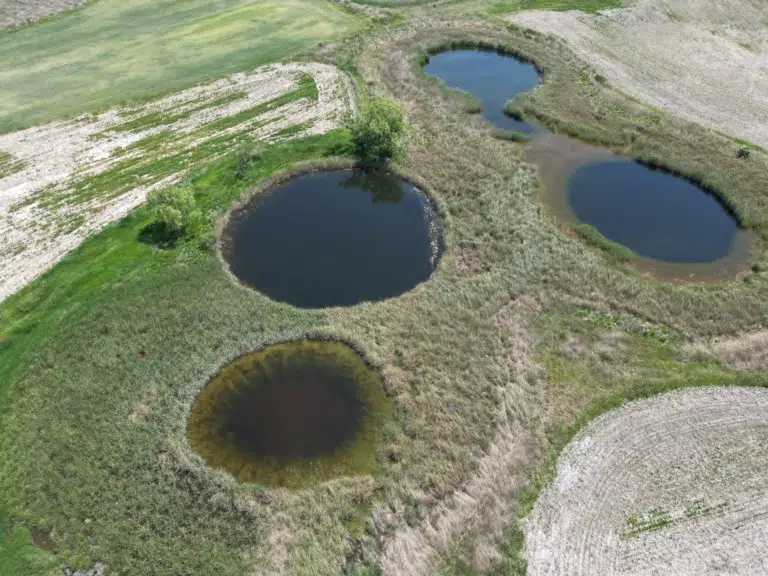
Ballesteros is not a lake that needs to be full all year round. It is a complex of more than thirty karstic lagoons, where two distinct behaviors coexist. Around fifteen dolines retain water semi-permanently or permanently because they connect to the aquifer. The rest are temporary; they fill with the late winter and spring rains and dry up as the heat advances. That fluctuation between water and drought, which makes the landscape change depending on the time of year, is part of its identity.
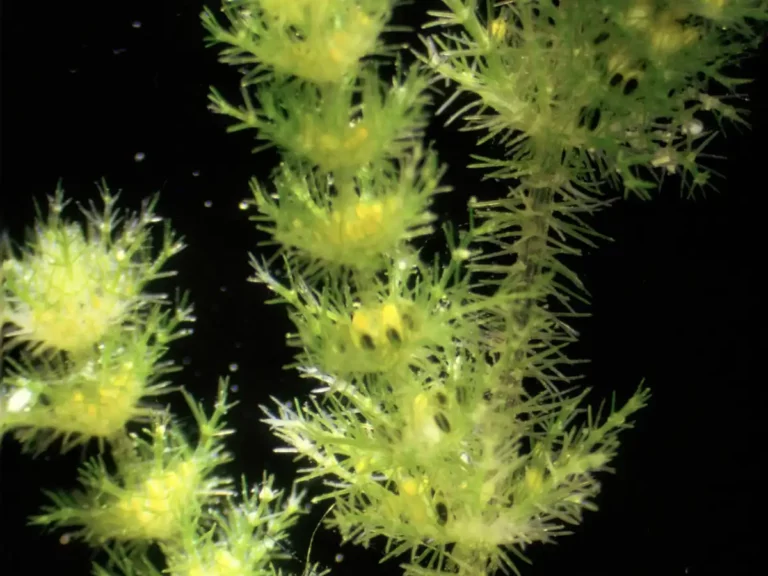
This cycle also sustains a very unique fauna and flora. There are plants and invertebrates specifically adapted to those changing conditions, which take advantage of the temporary flooding to complete their life cycle and later resist desiccation. A temporary Mediterranean wetland that were always waterlogged would cease to be what it is and would lose a good portion of the species that characterize it. For this reason, the habitat of temporary Mediterranean ponds is considered a priority at the European scale.
It is worth distinguishing here between two very different types of drought. One is seasonal, natural, the kind seen now in summer in temporary basins and that the wetland needs. Another, the one that is truly concerning, is artificial desiccation, caused by drainage channels that take water out of the system and the extraction of groundwater for irrigation. This second drought does not respond to the rhythm of the seasons, but rather drains the wetland from underneath, reduces its levels, and causes the temporary basins to barely flood. Over the last century, this process has reduced the temporary lagoon habitat to a tiny fraction of what it once was.
There is the work of LIFE project, in restoring Ballesteros' natural water cycle. By removing drainage systems, restoring the original topography, and reducing pressure on the aquifer, the goal is for the floodplain to fill and empty again in due course. The aim is not for there to be water all the time, but for it to be there when it is supposed to be. The dry bottom currently seen in many basins is not an end, but a pause awaiting the rains.

 Spanish
 English
 French
 German
 Italian
 Portuguese